
-
The Ultimate Guide on Shipping Motorcycles
Learn How to Ship Motorcycles Safely
Transporting a motorcycle requires more planning than moving many other types of equipment. Whether you’re relocating a bike, sending it to a customer, or arranging international transport, choosing the right motorcycle shipping solution helps protect your investment while keeping the process efficient. For businesses and specialized shipments throughout Georgia and surrounding areas, proper packing and crating are just as important as selecting the right carrier. This guide explains how motorcycle shipping works, the available shipping methods, how to prepare your motorcycle, and what to look for when choosing a reliable shipping provider.
What Is Motorcycle Shipping?
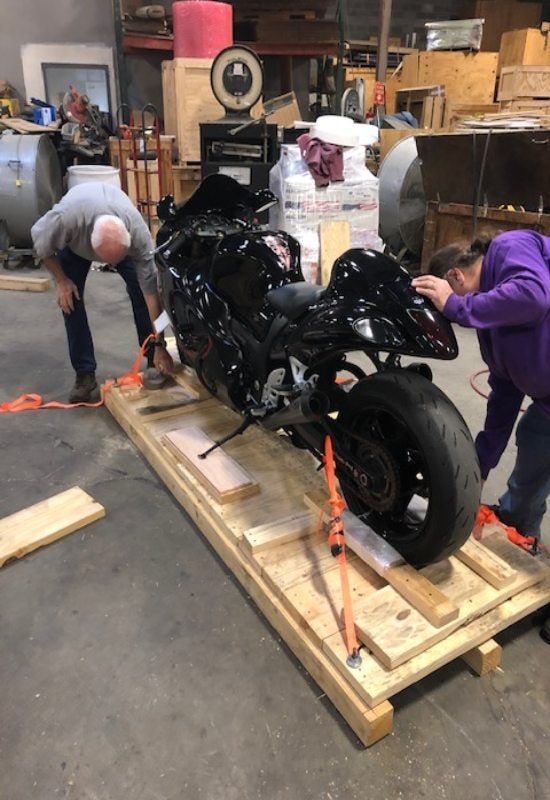
Motorcycle shipping is the process of transporting motorcycles safely from one location to another using specialized carriers, enclosed trailers, custom crating, or ocean freight. Depending on the destination and shipping requirements, a motorcycle shipping service may include packing, crating, loading, documentation, and transportation.
Unlike standard freight, motorcycles require secure handling because they contain delicate components, exposed finishes, and mechanical systems that can be damaged if they are not properly protected during transit. Professional shipping companies use proven methods to minimize movement and reduce the risk of damage throughout the journey.
Types of Motorcycle Shipping Methods
The best shipping option depends on your destination, budget, and level of protection required. Understanding the available methods can help you choose the right solution for your shipment.
- Open Transport: Open transport is one of the most economical options for domestic shipments. Motorcycles are secured on an open trailer, making this method suitable when weather exposure is not a major concern.
- Enclosed Transport: Enclosed trailers provide additional protection from weather, road debris, and other outside elements. This option is commonly recommended for vintage motorcycles, collector bikes, and high-value equipment.
- Crated Shipping: Custom crating offers one of the highest levels of protection available. The motorcycle is secured inside a specially built wooden crate designed to limit movement during handling and transportation. This method is often used for export shipments and valuable motorcycles.
- Door To Door Motorcycle Shipping: With door-to-door motorcycle shipping, the motorcycle is picked up from one location and delivered directly to its destination whenever access allows. This option simplifies logistics and reduces additional handling.
- Shipping Motorcycle Overseas: Shipping motorcycles overseas typically requires export-compliant crating, customs documentation, and ocean or air freight coordination. Heat-treated crates and proper packaging help ensure shipments comply with international regulations.
How to Prepare Your Motorcycle for Shipping
Preparing a motorcycle correctly helps reduce delays and protects the bike during transportation. Taking a few simple steps before pickup can make the shipping process much smoother.
- Clean the Motorcycle: Washing the motorcycle allows you to inspect its condition before shipping. It also makes it easier to identify any existing scratches or cosmetic damage during the inspection process.
- Document Its Condition: Take clear photographs from multiple angles before shipping begins. These images provide a record of the motorcycle’s condition before transport.
- Check for Fluid Leaks: Repair any active leaks before shipping. Fluids that escape during transportation can create safety concerns and damage surrounding cargo.
- Remove Fuel & Prepare Battery: When shipping a motorcycle, the fuel in the motorcycle should be as close to empty as possible. The battery also needs to be disconnected, and the terminals taped with electrical tape.
- Remove Loose Accessories: Saddlebags, GPS units, custom mirrors, and other removable accessories should be packed separately whenever possible. This helps prevent damage during loading and unloading.
- Disable the Alarm: If the motorcycle has a security system, deactivate it before transport to avoid unnecessary interruptions during shipping.
How Motorcycle Shipping Actually Works
Understanding the shipping process can help businesses and equipment owners prepare their shipments with confidence. While each project may vary, most shipments follow the same general steps.
- Request a Shipping Quote: The process begins by providing information about the motorcycle, pickup location, destination, shipping method, and any special handling requirements.
- Select the Right Shipping Method: Based on the shipment, the provider recommends the most appropriate transportation option. Factors such as value, destination, timing, and protection requirements all influence this decision.
- Prepare & Secure the Motorcycle: The motorcycle is inspected, prepared, and secured for transport. If custom crating is required, the crate is built to match the motorcycle’s dimensions and shipping requirements.
- Transportation & Tracking: Once loaded, the shipment moves through the selected transportation network. Depending on the carrier, shipment updates or tracking information may be available throughout transit.
- Delivery & Final Inspection: Upon arrival, the motorcycle is unloaded and inspected before acceptance. Comparing the motorcycle with the original inspection photos helps verify its condition.
How to Choose a Reliable Motorcycle Shipping Company
Not all motorcycle shipping companies provide the same level of service or expertise. Choosing the right partner can make a significant difference, especially for valuable or international shipments. Before selecting a shipping provider, consider these important factors:
- Experience handling motorcycles and specialty equipment
- Custom crating capabilities for added protection
- Knowledge of export regulations and international shipping requirements
- Clear communication throughout the shipping process
- Reliable scheduling and professional handling practices
- Appropriate insurance and documentation options
For businesses throughout Georgia and surrounding areas, working with a company experienced in custom crating and specialized shipping preparation can help reduce risk while ensuring motorcycles are properly protected for domestic and international transportation.
Ready to Ship Your Motorcycle?
Every motorcycle shipment has unique requirements, especially when valuable equipment or international destinations are involved. Proper preparation, secure crating, and careful handling all contribute to a successful shipment.
If you need professional shipping preparation, custom crating, or export-ready packaging in Georgia and surrounding areas, Atlanta International Packaging and Crate can help you protect your motorcycle before it begins its journey.
Frequently Asked Questions
Many businesses and equipment owners have questions before arranging motorcycle transportation. Here are answers to some of the questions we hear most often.
How Long Does Motorcycle Shipping Usually Take?
Transit time depends on the shipping distance, carrier schedule, and destination. International shipments generally require additional time for customs clearance and ocean transportation.
Is Custom Crating Necessary for Motorcycle Shipping?
Not every shipment requires crating, but custom crates provide additional protection for valuable motorcycles, export shipments, and equipment that requires extra stability during transport.
Can I Ship Personal Items With My Motorcycle?
Many carriers restrict personal belongings because of weight limits and insurance requirements. Check with your shipping provider before placing additional items on or inside the motorcycle.
What Is the Safest Motorcycle Shipping Method?
For maximum protection, enclosed transport combined with custom crating is often considered the safest option, particularly for high-value motorcycles and international shipments.
-
Common Shipping Challenges & How to Overcome Them
Identify Common Shipping Challenges and How to Resolve Them
Shipping valuable equipment, oversized freight, and specialized cargo comes with unique challenges. Even small mistakes during packing, handling, or transportation can lead to costly delays or damaged shipments. Businesses throughout Georgia and surrounding areas can reduce these risks by understanding the most common shipping issues and problems and taking proactive steps before a shipment leaves the facility. This guide explains why shipping problems occur, the most common obstacles businesses face, and practical solutions to help keep shipments on schedule.
What Are Shipping Challenges?
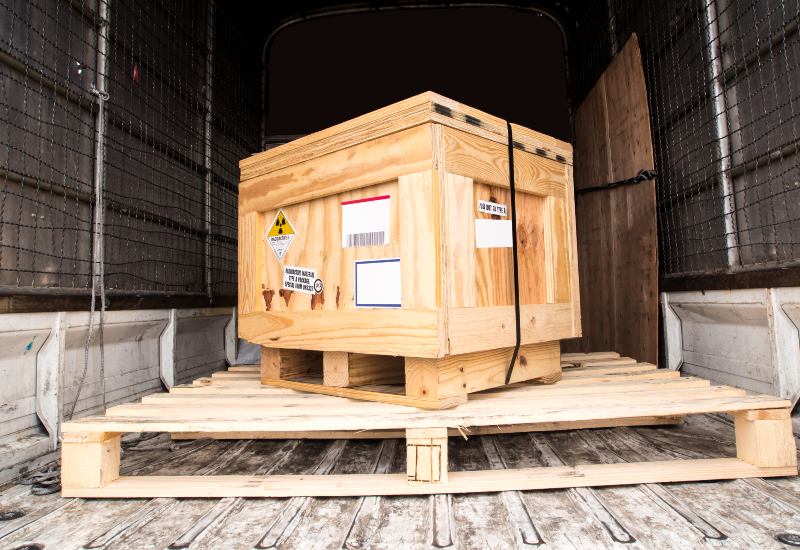
Shipping challenges are obstacles that interfere with the safe, efficient, or timely movement of freight. These issues may occur before a shipment leaves the warehouse, during transportation, or after it reaches its destination.
For businesses shipping heavy machinery, fragile equipment, electronics, or export cargo, even minor problems can result in unexpected costs, damaged products, or missed deadlines. Careful planning and proper packaging help reduce these risks while improving overall shipping efficiency.
Why Do Shipping Problems Occur?
Many shipping problems develop because of factors that can be prevented with proper preparation. Others are caused by circumstances outside a shipper’s control, such as severe weather or transportation delays.
Some of the most common causes include improper packaging, inaccurate documentation, poor handling practices, customs requirements, and unexpected logistical disruptions. Working with experienced shipping professionals helps businesses identify potential concerns before they become costly issues.
Common Shipping Challenges & How to Overcome Them
Every shipment presents different risks depending on its size, destination, and transportation method. Understanding these common shipping issues can help businesses choose the right shipping strategy from the start.
- Inadequate Packaging: Freight that is not properly protected is more vulnerable to impact, vibration, and shifting during transportation. Using custom crating and protective packaging helps minimize the risk of damage.
- Improper Load Securement: Equipment that is not adequately secured can move during transit, increasing the likelihood of damage. Proper blocking, bracing, and fastening techniques help keep shipments stable throughout the journey.
- Shipping Documentation Errors: Incorrect paperwork can delay deliveries, especially for international shipments. Reviewing shipping documents before dispatch helps prevent unnecessary interruptions.
- Customs & Export Compliance Issues: International shipments must meet specific regulations and documentation requirements. Using export-ready packaging and compliant crating reduces the risk of customs delays.
- Transit Delays: Traffic congestion, weather conditions, labor shortages, and carrier scheduling can all affect delivery timelines. Building flexibility into shipping schedules helps minimize disruptions.
- Damage During Handling: Freight often changes hands several times before reaching its destination. Durable packaging and custom-built crates provide added protection during loading and unloading.
- Unexpected Costs: Last-minute changes, damaged freight, storage fees, and shipping delays can increase transportation expenses. Careful planning and accurate shipment information help reduce unexpected charges.
- Communication Gaps: Miscommunication between shippers, carriers, and receiving facilities can create scheduling problems. Maintaining clear communication throughout the shipment helps everyone stay informed.
Shipping Problems & Solutions
While every shipment is different, many shipping problems and solutions follow the same basic principles. Identifying potential risks early gives businesses the opportunity to address them before they affect delivery schedules. The following best practices help improve shipment reliability and reduce avoidable delays:
- Choose the Right Packaging: Select packaging that matches the weight, size, and fragility of the shipment instead of relying on standard solutions.
- Invest in Custom Crating When Needed: Oversized, valuable, or irregularly shaped equipment often benefits from custom-built crates designed specifically for the shipment.
- Verify Documentation: Double-check bills of lading, export paperwork, customs forms, and shipping labels before transportation begins.
- Inspect Freight Before Shipping: Conduct a thorough inspection and document the condition of equipment before it is loaded.
- Work With Experienced Shipping Professionals: Companies with experience handling specialized freight understand regulatory requirements, proper packaging techniques, and transportation planning.
- Plan Ahead: Scheduling shipments early allows additional time for custom crating, documentation, inspections, and transportation coordination.
Reliable Shipping Solutions for Specialized Freight
Every shipment deserves a transportation plan that matches its specific requirements. Businesses shipping machinery, electronics, motorcycles, industrial equipment, or export freight often benefit from specialized shipping solutions that prioritize protection and compliance. Before selecting a shipping provider, consider these important factors:
- Experience handling oversized, fragile, and high-value freight
- Custom crating and protective packaging capabilities
- Export-compliant packaging and documentation support
- Clear communication throughout the shipping process
- Reliable scheduling and project coordination
- Professional loading and shipment preparation
Protect Your Next Shipment With the Right Preparation
Preventing shipping challenges starts long before freight is loaded onto a truck or into a shipping container. Proper planning, secure packaging, accurate documentation, and experienced handling all play an important role in protecting valuable shipments.
If your business needs custom crating, export-ready packaging, or professional shipment preparation in Georgia and surrounding areas, Atlanta International Packaging and Crate provides specialized solutions designed to help protect oversized, fragile, and high-value freight.
Frequently Asked Questions
Many businesses have questions about preventing shipping delays and protecting valuable freight. Here are answers to some of the questions we hear most often.
What Are the Most Common Shipping Issues?
Some of the most common shipping issues include damaged freight, inadequate packaging, documentation errors, customs delays, and transportation disruptions. Proper planning helps reduce many of these risks.
How Can Businesses Reduce Shipping Problems?
Businesses can reduce shipping problems by using appropriate packaging, verifying shipping documents, properly securing freight, and working with experienced shipping professionals.
Why Is Custom Crating Important for Certain Shipments?
Custom crating provides additional protection for oversized, fragile, and high-value equipment. It helps reduce movement during transportation while protecting freight from damage.
How Do Shipping Solutions Improve Freight Protection?
Professional shipping solutions combine proper packaging, secure load preparation, regulatory compliance, and careful handling to reduce the risk of delays and damaged shipments throughout the transportation process.
-
What Is ISPM 15?
What Is ISPM 15 and Why It Matters for Shipping
Moving industrial equipment across international borders introduces a different level of responsibility. Materials that seem ordinary in one location can introduce serious risks once they enter another country, particularly when untreated wood becomes part of the equation.
That’s where ISPM 15 comes in to solve that equation. At its core, this standard defines how wood packaging must be treated and prepared before it moves through international supply chains. ISPM 15 wood packaging follows strict guidelines that address contamination risks while keeping shipments compliant with global standards. In this article, we’ll break down how ISPM 15 works, where it applies, and why it remains a critical factor in export packaging.
Who Created ISPM 15?
ISPM 15 was developed through the International Plant Protection Convention (IPPC), an organization that focuses on protecting global agricultural systems from the spread of pests and plant diseases.
The standard is a coordinated effort between countries to regulate how wood packaging material enters and exits international supply chains. Instead of each nation enforcing its own isolated rules, ISPM 15 established a unified approach.
That consistency allows shipping operations to move more efficiently across borders, while still addressing the environmental risks tied to untreated wood. The result is a globally recognized framework that balances logistics with environmental responsibility.
When Is ISPM 15 Applicable?
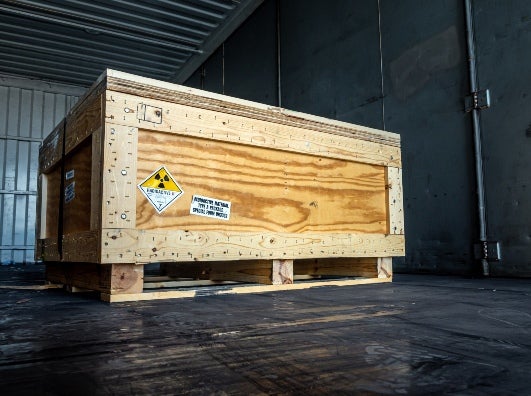
ISPM 15 heat treatment applies specifically to solid wood packaging materials used in international shipping. This includes crates, pallets, skids, and other structural components built to carry industrial equipment across the border.
Domestic shipments typically fall outside of these requirements, but once equipment enters international trade routes, compliance becomes part of the process. ISPM 15 regulations define when treatment and certification are required, particularly for shipments involving raw wood materials that haven’t been manufactured or processed in a way that removes the risk of pests. This distinction is what separates standard packaging from export-ready crating within global logistics operations.
Why ISPM 15 Marking Matters
Treatment alone doesn’t complete the process. Each compliant piece of wood packaging must carry a visible certification mark that confirms it meets ISPM 15 standards.
The ISPM 15 marking is an internationally recognized IPPC-HT stamp that identifies the country of origin, the treatment provider, and the method used to prepare the wood. This marking allows customs officials and regulators at every checkpoint to visually identify the marking and verify compliance.
Without it, even properly treated packaging can be delayed or rejected. The presence of the mark allows shipments to move forward without added inspection or uncertainty.
Global Applicability Of ISPM 15
ISPM 15 is a global standard, recognized at ports, carriers, and regulatory agencies in countries that participate in the International Plant Protection Convention. This broad adoption allows businesses to move equipment internationally without navigating a patchwork of conflicting requirements.
The standard applies consistently across major trade regions, covering shipments that move between North America, Europe, Asia, and beyond. Since these rules follow the packaging material rather than the product itself, compliance depends on how crates and pallets are built and treated before they’re shipped.
Why ISPM 15 Is Essential For Export Packaging
Export packaging must account for more than structural protection. It must also meet regulatory expectations that govern how materials move across national boundaries.
ISPM 15 ties directly into how industrial crates are built and prepared for international transport. Heat-treated lumber, certified construction methods, and proper documentation all work together to create packaging that meets inspection requirements before it ever leaves the facility.
Crating that meets ISPM 15 standards reduces the likelihood of delays, rejected shipments, or unexpected rework at ports of entry, and allows equipment to move through international checkpoints with less potential for unexpected disruptions.
Packaging That Meets Global Standards
ISPM 15 represents a clear standard within an increasingly complex shipping environment. It aligns packaging practices across the world, allowing industrial equipment to move globally without introducing environmental risks or compliance delays.
Here at Atlanta International Packing & Crate, we are proficient at integrating this degree of compliance directly into our custom crating process. From heat-treated lumber to export-ready construction, each solution meets the requirements tied to international shipment standards. Our team evaluates each project carefully and prepares packaging that satisfies both structural and regulatory expectations from the start.
Discover your organization’s full-service, export-ready crating solution. Contact us today to discuss your needs and to request a free estimate.