
What Is ISPM 15?
What Is ISPM 15 and Why It Matters for Shipping
Moving industrial equipment across international borders introduces a different level of responsibility. Materials that seem ordinary in one location can introduce serious risks once they enter another country, particularly when untreated wood becomes part of the equation.
That’s where ISPM 15 comes in to solve that equation. At its core, this standard defines how wood packaging must be treated and prepared before it moves through international supply chains. ISPM 15 wood packaging follows strict guidelines that address contamination risks while keeping shipments compliant with global standards. In this article, we’ll break down how ISPM 15 works, where it applies, and why it remains a critical factor in export packaging.
Who Created ISPM 15?
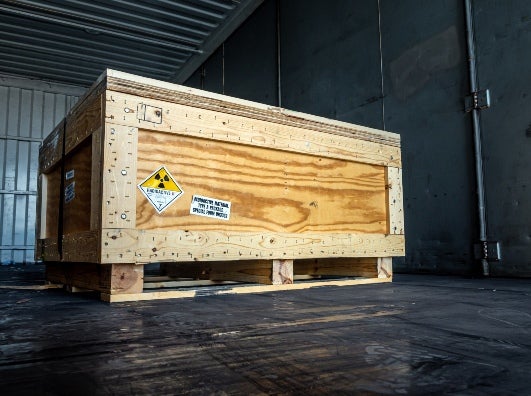
ISPM 15 was developed through the International Plant Protection Convention (IPPC), an organization that focuses on protecting global agricultural systems from the spread of pests and plant diseases.
The standard is a coordinated effort between countries to regulate how wood packaging material enters and exits international supply chains. Instead of each nation enforcing its own isolated rules, ISPM 15 established a unified approach.
That consistency allows shipping operations to move more efficiently across borders, while still addressing the environmental risks tied to untreated wood. The result is a globally recognized framework that balances logistics with environmental responsibility.
When Is ISPM 15 Applicable?
ISPM 15 heat treatment applies specifically to solid wood packaging materials used in international shipping. This includes crates, pallets, skids, and other structural components built to carry industrial equipment across the border.
Domestic shipments typically fall outside of these requirements, but once equipment enters international trade routes, compliance becomes part of the process. ISPM 15 regulations define when treatment and certification are required, particularly for shipments involving raw wood materials that haven’t been manufactured or processed in a way that removes the risk of pests. This distinction is what separates standard packaging from export-ready crating within global logistics operations.
Why ISPM 15 Marking Matters
Treatment alone doesn’t complete the process. Each compliant piece of wood packaging must carry a visible certification mark that confirms it meets ISPM 15 standards.
The ISPM 15 marking is an internationally recognized IPPC-HT stamp that identifies the country of origin, the treatment provider, and the method used to prepare the wood. This marking allows customs officials and regulators at every checkpoint to visually identify the marking and verify compliance.
Without it, even properly treated packaging can be delayed or rejected. The presence of the mark allows shipments to move forward without added inspection or uncertainty.
Global Applicability Of ISPM 15
ISPM 15 is a global standard, recognized at ports, carriers, and regulatory agencies in countries that participate in the International Plant Protection Convention. This broad adoption allows businesses to move equipment internationally without navigating a patchwork of conflicting requirements.
The standard applies consistently across major trade regions, covering shipments that move between North America, Europe, Asia, and beyond. Since these rules follow the packaging material rather than the product itself, compliance depends on how crates and pallets are built and treated before they’re shipped.
Why ISPM 15 Is Essential For Export Packaging
Export packaging must account for more than structural protection. It must also meet regulatory expectations that govern how materials move across national boundaries.
ISPM 15 ties directly into how industrial crates are built and prepared for international transport. Heat-treated lumber, certified construction methods, and proper documentation all work together to create packaging that meets inspection requirements before it ever leaves the facility.
Crating that meets ISPM 15 standards reduces the likelihood of delays, rejected shipments, or unexpected rework at ports of entry, and allows equipment to move through international checkpoints with less potential for unexpected disruptions.
Packaging That Meets Global Standards
ISPM 15 represents a clear standard within an increasingly complex shipping environment. It aligns packaging practices across the world, allowing industrial equipment to move globally without introducing environmental risks or compliance delays.
Here at Atlanta International Packing & Crate, we are proficient at integrating this degree of compliance directly into our custom crating process. From heat-treated lumber to export-ready construction, each solution meets the requirements tied to international shipment standards. Our team evaluates each project carefully and prepares packaging that satisfies both structural and regulatory expectations from the start.
Discover your organization’s full-service, export-ready crating solution. Contact us today to discuss your needs and to request a free estimate.