
-
The Ultimate Guide on Shipping Motorcycles
Learn How to Ship Motorcycles Safely
Transporting a motorcycle requires more planning than moving many other types of equipment. Whether you’re relocating a bike, sending it to a customer, or arranging international transport, choosing the right motorcycle shipping solution helps protect your investment while keeping the process efficient. For businesses and specialized shipments throughout Georgia and surrounding areas, proper packing and crating are just as important as selecting the right carrier. This guide explains how motorcycle shipping works, the available shipping methods, how to prepare your motorcycle, and what to look for when choosing a reliable shipping provider.
What Is Motorcycle Shipping?
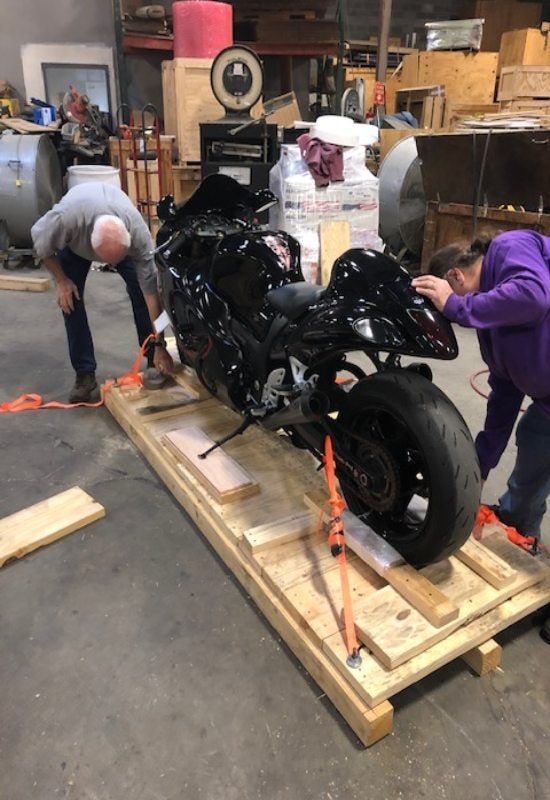
Motorcycle shipping is the process of transporting motorcycles safely from one location to another using specialized carriers, enclosed trailers, custom crating, or ocean freight. Depending on the destination and shipping requirements, a motorcycle shipping service may include packing, crating, loading, documentation, and transportation.
Unlike standard freight, motorcycles require secure handling because they contain delicate components, exposed finishes, and mechanical systems that can be damaged if they are not properly protected during transit. Professional shipping companies use proven methods to minimize movement and reduce the risk of damage throughout the journey.
Types of Motorcycle Shipping Methods
The best shipping option depends on your destination, budget, and level of protection required. Understanding the available methods can help you choose the right solution for your shipment.
- Open Transport: Open transport is one of the most economical options for domestic shipments. Motorcycles are secured on an open trailer, making this method suitable when weather exposure is not a major concern.
- Enclosed Transport: Enclosed trailers provide additional protection from weather, road debris, and other outside elements. This option is commonly recommended for vintage motorcycles, collector bikes, and high-value equipment.
- Crated Shipping: Custom crating offers one of the highest levels of protection available. The motorcycle is secured inside a specially built wooden crate designed to limit movement during handling and transportation. This method is often used for export shipments and valuable motorcycles.
- Door To Door Motorcycle Shipping: With door-to-door motorcycle shipping, the motorcycle is picked up from one location and delivered directly to its destination whenever access allows. This option simplifies logistics and reduces additional handling.
- Shipping Motorcycle Overseas: Shipping motorcycles overseas typically requires export-compliant crating, customs documentation, and ocean or air freight coordination. Heat-treated crates and proper packaging help ensure shipments comply with international regulations.
How to Prepare Your Motorcycle for Shipping
Preparing a motorcycle correctly helps reduce delays and protects the bike during transportation. Taking a few simple steps before pickup can make the shipping process much smoother.
- Clean the Motorcycle: Washing the motorcycle allows you to inspect its condition before shipping. It also makes it easier to identify any existing scratches or cosmetic damage during the inspection process.
- Document Its Condition: Take clear photographs from multiple angles before shipping begins. These images provide a record of the motorcycle’s condition before transport.
- Check for Fluid Leaks: Repair any active leaks before shipping. Fluids that escape during transportation can create safety concerns and damage surrounding cargo.
- Remove Fuel & Prepare Battery: When shipping a motorcycle, the fuel in the motorcycle should be as close to empty as possible. The battery also needs to be disconnected, and the terminals taped with electrical tape.
- Remove Loose Accessories: Saddlebags, GPS units, custom mirrors, and other removable accessories should be packed separately whenever possible. This helps prevent damage during loading and unloading.
- Disable the Alarm: If the motorcycle has a security system, deactivate it before transport to avoid unnecessary interruptions during shipping.
How Motorcycle Shipping Actually Works
Understanding the shipping process can help businesses and equipment owners prepare their shipments with confidence. While each project may vary, most shipments follow the same general steps.
- Request a Shipping Quote: The process begins by providing information about the motorcycle, pickup location, destination, shipping method, and any special handling requirements.
- Select the Right Shipping Method: Based on the shipment, the provider recommends the most appropriate transportation option. Factors such as value, destination, timing, and protection requirements all influence this decision.
- Prepare & Secure the Motorcycle: The motorcycle is inspected, prepared, and secured for transport. If custom crating is required, the crate is built to match the motorcycle’s dimensions and shipping requirements.
- Transportation & Tracking: Once loaded, the shipment moves through the selected transportation network. Depending on the carrier, shipment updates or tracking information may be available throughout transit.
- Delivery & Final Inspection: Upon arrival, the motorcycle is unloaded and inspected before acceptance. Comparing the motorcycle with the original inspection photos helps verify its condition.
How to Choose a Reliable Motorcycle Shipping Company
Not all motorcycle shipping companies provide the same level of service or expertise. Choosing the right partner can make a significant difference, especially for valuable or international shipments. Before selecting a shipping provider, consider these important factors:
- Experience handling motorcycles and specialty equipment
- Custom crating capabilities for added protection
- Knowledge of export regulations and international shipping requirements
- Clear communication throughout the shipping process
- Reliable scheduling and professional handling practices
- Appropriate insurance and documentation options
For businesses throughout Georgia and surrounding areas, working with a company experienced in custom crating and specialized shipping preparation can help reduce risk while ensuring motorcycles are properly protected for domestic and international transportation.
Ready to Ship Your Motorcycle?
Every motorcycle shipment has unique requirements, especially when valuable equipment or international destinations are involved. Proper preparation, secure crating, and careful handling all contribute to a successful shipment.
If you need professional shipping preparation, custom crating, or export-ready packaging in Georgia and surrounding areas, Atlanta International Packaging and Crate can help you protect your motorcycle before it begins its journey.
Frequently Asked Questions
Many businesses and equipment owners have questions before arranging motorcycle transportation. Here are answers to some of the questions we hear most often.
How Long Does Motorcycle Shipping Usually Take?
Transit time depends on the shipping distance, carrier schedule, and destination. International shipments generally require additional time for customs clearance and ocean transportation.
Is Custom Crating Necessary for Motorcycle Shipping?
Not every shipment requires crating, but custom crates provide additional protection for valuable motorcycles, export shipments, and equipment that requires extra stability during transport.
Can I Ship Personal Items With My Motorcycle?
Many carriers restrict personal belongings because of weight limits and insurance requirements. Check with your shipping provider before placing additional items on or inside the motorcycle.
What Is the Safest Motorcycle Shipping Method?
For maximum protection, enclosed transport combined with custom crating is often considered the safest option, particularly for high-value motorcycles and international shipments.
-
Common Shipping Challenges & How to Overcome Them
Identify Common Shipping Challenges and How to Resolve Them
Shipping valuable equipment, oversized freight, and specialized cargo comes with unique challenges. Even small mistakes during packing, handling, or transportation can lead to costly delays or damaged shipments. Businesses throughout Georgia and surrounding areas can reduce these risks by understanding the most common shipping issues and problems and taking proactive steps before a shipment leaves the facility. This guide explains why shipping problems occur, the most common obstacles businesses face, and practical solutions to help keep shipments on schedule.
What Are Shipping Challenges?
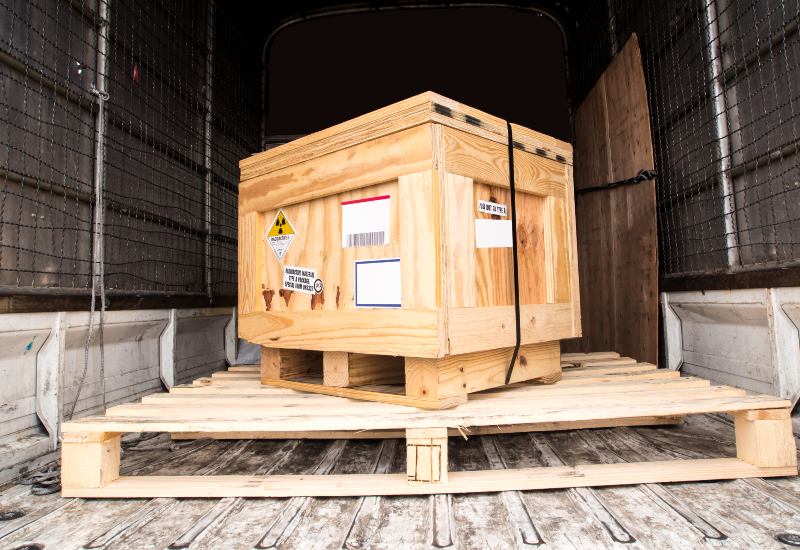
Shipping challenges are obstacles that interfere with the safe, efficient, or timely movement of freight. These issues may occur before a shipment leaves the warehouse, during transportation, or after it reaches its destination.
For businesses shipping heavy machinery, fragile equipment, electronics, or export cargo, even minor problems can result in unexpected costs, damaged products, or missed deadlines. Careful planning and proper packaging help reduce these risks while improving overall shipping efficiency.
Why Do Shipping Problems Occur?
Many shipping problems develop because of factors that can be prevented with proper preparation. Others are caused by circumstances outside a shipper’s control, such as severe weather or transportation delays.
Some of the most common causes include improper packaging, inaccurate documentation, poor handling practices, customs requirements, and unexpected logistical disruptions. Working with experienced shipping professionals helps businesses identify potential concerns before they become costly issues.
Common Shipping Challenges & How to Overcome Them
Every shipment presents different risks depending on its size, destination, and transportation method. Understanding these common shipping issues can help businesses choose the right shipping strategy from the start.
- Inadequate Packaging: Freight that is not properly protected is more vulnerable to impact, vibration, and shifting during transportation. Using custom crating and protective packaging helps minimize the risk of damage.
- Improper Load Securement: Equipment that is not adequately secured can move during transit, increasing the likelihood of damage. Proper blocking, bracing, and fastening techniques help keep shipments stable throughout the journey.
- Shipping Documentation Errors: Incorrect paperwork can delay deliveries, especially for international shipments. Reviewing shipping documents before dispatch helps prevent unnecessary interruptions.
- Customs & Export Compliance Issues: International shipments must meet specific regulations and documentation requirements. Using export-ready packaging and compliant crating reduces the risk of customs delays.
- Transit Delays: Traffic congestion, weather conditions, labor shortages, and carrier scheduling can all affect delivery timelines. Building flexibility into shipping schedules helps minimize disruptions.
- Damage During Handling: Freight often changes hands several times before reaching its destination. Durable packaging and custom-built crates provide added protection during loading and unloading.
- Unexpected Costs: Last-minute changes, damaged freight, storage fees, and shipping delays can increase transportation expenses. Careful planning and accurate shipment information help reduce unexpected charges.
- Communication Gaps: Miscommunication between shippers, carriers, and receiving facilities can create scheduling problems. Maintaining clear communication throughout the shipment helps everyone stay informed.
Shipping Problems & Solutions
While every shipment is different, many shipping problems and solutions follow the same basic principles. Identifying potential risks early gives businesses the opportunity to address them before they affect delivery schedules. The following best practices help improve shipment reliability and reduce avoidable delays:
- Choose the Right Packaging: Select packaging that matches the weight, size, and fragility of the shipment instead of relying on standard solutions.
- Invest in Custom Crating When Needed: Oversized, valuable, or irregularly shaped equipment often benefits from custom-built crates designed specifically for the shipment.
- Verify Documentation: Double-check bills of lading, export paperwork, customs forms, and shipping labels before transportation begins.
- Inspect Freight Before Shipping: Conduct a thorough inspection and document the condition of equipment before it is loaded.
- Work With Experienced Shipping Professionals: Companies with experience handling specialized freight understand regulatory requirements, proper packaging techniques, and transportation planning.
- Plan Ahead: Scheduling shipments early allows additional time for custom crating, documentation, inspections, and transportation coordination.
Reliable Shipping Solutions for Specialized Freight
Every shipment deserves a transportation plan that matches its specific requirements. Businesses shipping machinery, electronics, motorcycles, industrial equipment, or export freight often benefit from specialized shipping solutions that prioritize protection and compliance. Before selecting a shipping provider, consider these important factors:
- Experience handling oversized, fragile, and high-value freight
- Custom crating and protective packaging capabilities
- Export-compliant packaging and documentation support
- Clear communication throughout the shipping process
- Reliable scheduling and project coordination
- Professional loading and shipment preparation
Protect Your Next Shipment With the Right Preparation
Preventing shipping challenges starts long before freight is loaded onto a truck or into a shipping container. Proper planning, secure packaging, accurate documentation, and experienced handling all play an important role in protecting valuable shipments.
If your business needs custom crating, export-ready packaging, or professional shipment preparation in Georgia and surrounding areas, Atlanta International Packaging and Crate provides specialized solutions designed to help protect oversized, fragile, and high-value freight.
Frequently Asked Questions
Many businesses have questions about preventing shipping delays and protecting valuable freight. Here are answers to some of the questions we hear most often.
What Are the Most Common Shipping Issues?
Some of the most common shipping issues include damaged freight, inadequate packaging, documentation errors, customs delays, and transportation disruptions. Proper planning helps reduce many of these risks.
How Can Businesses Reduce Shipping Problems?
Businesses can reduce shipping problems by using appropriate packaging, verifying shipping documents, properly securing freight, and working with experienced shipping professionals.
Why Is Custom Crating Important for Certain Shipments?
Custom crating provides additional protection for oversized, fragile, and high-value equipment. It helps reduce movement during transportation while protecting freight from damage.
How Do Shipping Solutions Improve Freight Protection?
Professional shipping solutions combine proper packaging, secure load preparation, regulatory compliance, and careful handling to reduce the risk of delays and damaged shipments throughout the transportation process.
-
Industries That Benefit From Custom Industrial Crating
When it comes to shipping valuable cargo, businesses need a perfect fit every single time. Whether the final destination is across town or across the globe, standard packaging isn’t enough to carry industrial shipments to the finish line. Because shipping costs and the potential consequences carry real weight, conventional crating just won’t measure up.
Every dimension, surface, and pressure point matters once equipment leaves a business’s control. That’s where precision needs to take over, and where specialized crating rises to the occasion. Custom commercial and industrial crating is built around how equipment moves, loads, and travels. That means each enclosure considers the physical demands of the item itself, not a predefined template. In this article, we’ll explore how different industries apply this same principle to protect what keeps their operations moving.
Where Custom Crating Makes the Biggest Difference
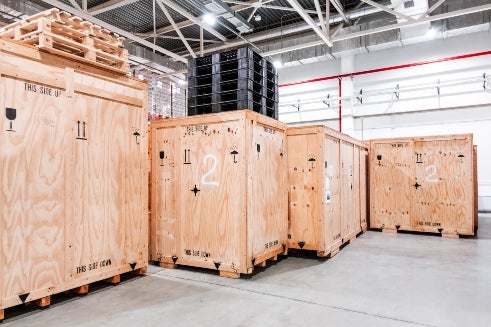
Several industries consider high-level protection a vital part of the shipping process because their products possess unique characteristics. Industrial equipment and commercial goods can be heavy, unusually shaped, or very delicate, which makes standard shipping containers a liability. Customized crating provides the exactness required to move these assets without risks. Let’s take a look at a few industries that know these shipping demands all too well:
Medical Equipment
Shipping clinical equipment like MRI machines and sensitive laboratory instruments presents a substantial challenge. These high-value items are vital for the healthcare industry and providing patient care, so any damage or impact during transit must be prevented. Packing and crating specialists are adept at building specialized enclosures with reinforced frames to manage heavy loads, match irregular shapes, and cushion fragile internal components. Customized crates satisfy strict cleanliness requirements and protect delicate electronics and sensors from environmental changes. The equipment arrives in perfect working condition because the structure matches the specific geometry of each device. This level of detail protects labs and medical facilities’ investments and the patients who rely on these tools.
High-Tech and Electronics Industry
Shipping advanced electronics like servers, telecommunications hardware, and semiconductor components introduces a level of sensitivity that standard packaging cannot accommodate. Internal systems rely on delicate wiring, microchips, and calibrated connections that can shift under vibration or exposure to static.
Advanced crating systems account for those vulnerabilities through carefully fitted interiors and protective materials that isolate critical components. Moisture barriers and anti-static layers maintain a controlled environment during transit. Electronics crating is a calculated approach that preserves system integrity and keeps high-performance equipment fully operational upon arrival.
Aerospace Industry
Transporting aerospace components involves strict tolerances, substantial weight, and complex dimensions. Equipment such as engines, avionics systems, and structural sections demands precision across every stage of handling and transport.
Custom-built enclosures distribute weight evenly and stabilize the load during lifting and transit. Reinforced materials hold structural integrity under some of the heaviest conditions, and integrated tracking systems can monitor shock and tilt throughout the route. Aerospace custom crating aligns every aspect of the crate with the demands of the component to maintain its performance standards from departure through final delivery.
Manufacturing Industry
Industrial manufacturing operations depend on the safe transport of heavy machinery, oversized components, and specialized equipment between facilities and job sites. These loads introduce complex handling requirements due to their scale, weight, and irregular geometry.
Specialized crating solutions stabilize each asset with reinforced framing and internal bracing that prevents movement during transit. That means structural integrity remains consistent across repeated handling, and the practical design features can even simplify loading and unloading. Commercial and industrial crating provides the strength and stability required to transport production-critical equipment without compromising readiness for installation.
Solar and Energy
Renewable energy systems come with large investments in solar panels, turbines, and unique power components that must arrive intact and ready for installation. These materials feature wide surface areas, structural sensitivities, and long transport routes that introduce the pressure of managing many shipping concerns.
Tailored crating strategies account for these conditions by securing each component at critical contact points and protecting exposed surfaces during movement. Protective layers and environmental control measures maintain stability throughout the shipping process. The technical, coordinated approach to energy and power equipment crating preserves structural integrity, prevents delays, and maintains operational readiness at delivery sites.
Automotive
Transporting automotive systems and components requires careful attention to shape, weight distribution, and long-term usability. Car engines, batteries, and mechanical assemblies must remain secured and protected throughout multiple stages of handling and delivery.
Custom-engineered crating structures hold each automotive component in a fixed position, which protects critical connection points and drastically reduces the risk of shifting. Reinforced interiors accommodate irregular forms in a way that maintains balance, even under heavy loads. Automotive crating maintains alignment and structural stability so each part arrives prepared for assembly and integration into the larger systems they’re designed for.
Discover Custom Crating Built for Your Shipment Demands
Across every industry covered in this article, there’s one pattern that’s stayed consistent: complex equipment demands a level of protection that standard packaging cannot deliver. Precision-built enclosures allow commercial businesses and industrial operations to move their high-value assets without compromising their condition, timelines, or long-term functionality.
Here at Atlanta International Packing & Crate, we approach each shipment with that same level of discipline. From on-site crating and container loading to vacuum packaging and export-ready materials, every solution we provide reflects the exacting demands of the equipment itself. Our team works directly with businesses to determine the most effective approach, whether that involves a prefabricated option or a fully customized build.
Connect with our packing and crating professionals to discuss the requirements behind your next shipment. Request a free estimate today.