
Why Clear Communication is Vital for your Shipping and Crating Provider
Clear communication can make or break a shipment. For businesses across Georgia and the surrounding areas that rely on shipping and crating services to move high-value, oversized, or fragile cargo, the stakes are high. A single miscommunication about dimensions, destination requirements, or handling instructions can result in damaged goods, costly delays, or failed compliance. At Atlanta International Packaging and Crate, we have seen firsthand how communication shapes outcomes. This post breaks down why clear communication matters and how it protects your shipment from start to finish. Learn more about shipping and crating in Georgia and surrounding areas.
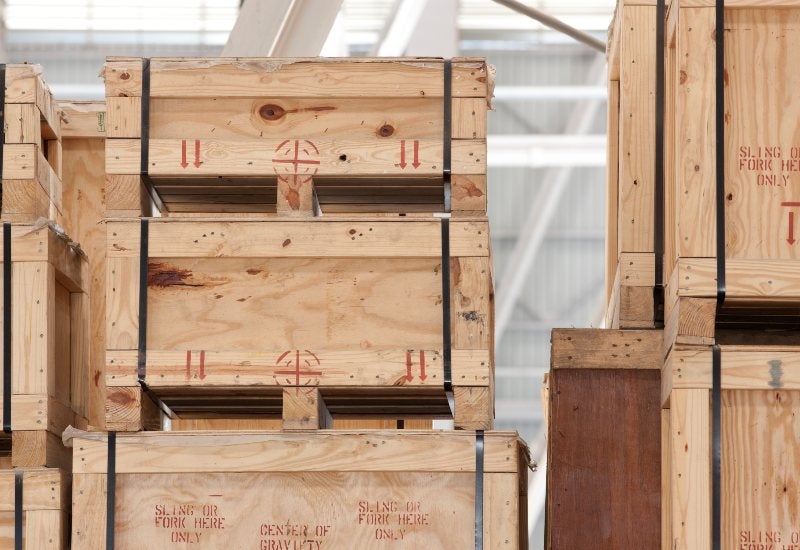
Understanding Shipping and Crating Services
Shipping and crating services go far beyond building a wooden box around a product. A qualified crating company designs custom packaging solutions based on item dimensions, weight, fragility, transport method, and destination requirements. Crating and shipping companies operating at the B2B level handle everything from industrial machinery to sensitive equipment that standard freight carriers cannot accommodate. When you work with a custom crating company, the process requires detailed information at every stage to ensure your cargo arrives safely and in compliance with all applicable regulations.
Why Clear Communication Is Vital for Your Shipping and Crating Provider
Effective communication between clients and their shipping and crating provider sets the foundation for every successful project. The following points outline the key reasons why clear communication must be a priority.
It Ensures Accurate Crate Design
Every crate your provider builds depends on accurate information. Providing precise measurements, weight, and fragility details allows your crating company to design a solution that protects your cargo. Inaccurate data leads to ill-fitting crates, which increases damage risk during transit.
It Supports Export and Compliance Requirements
International shipments must meet specific standards, including ISPM-15 heat-treated lumber requirements. Your shipping and crating provider needs clear details about the final destination to ensure the crate uses properly stamped, HT lumber. Without this information, your shipment risks rejection at the port of entry.
It Enables Proper Timeline Planning
Logistics managers and operations teams often work against tight deadlines. Communicating your required ship date upfront allows your provider to schedule on-site crating, material procurement, and container loading without last-minute rushes that increase error risk.
It Reduces Unexpected Costs
Surprises in the crating process are expensive. Clear communication about cargo type, special handling needs, and destination details helps your provider deliver an accurate estimate. Vague requests often result in scope changes and added costs mid-project.
It Protects High-Risk and Specialty Items
Specialty shipments, including taxidermy, trade show equipment, and heavy machinery, require customized handling instructions. Your crating and shipping company must understand the specific vulnerabilities of each item to build appropriate protection. Detailed communication from the client side directly determines how well these items travel.
It Aligns On-Site Crating Logistics
On-site crating requires coordination between your facility and your provider’s team. Access instructions, equipment availability, and facility constraints must be communicated clearly before your provider arrives. Poor planning at this stage creates delays that affect your broader shipping schedule.
Risks of Poor Communication with Your Crating Company
Poor communication creates a chain reaction that affects every step of the process. Clients who provide incomplete shipment details often experience:
- Crates that do not fit the cargo properly, leading to in-transit damage
- Export rejections due to non-compliant lumber or missing documentation
- Missed shipping windows caused by last-minute specification changes
- Higher costs from rework, repackaging, or insurance claims
- Loss of operational downtime during plant closings or equipment relocations
Partner With a Crating Company That Prioritizes Communication
Clear communication is not a soft skill in the shipping and crating industry. It is a technical requirement that protects your cargo, your budget, and your timeline. At Atlanta International Packaging and Crate, our team works closely with clients across Atlanta, Chattanooga, Augusta, and Columbus to gather every detail needed before we build a single crate. With over 35 years of experience, we know what questions to ask and how to translate your requirements into a reliable shipping and crating solution. Contact us today!
Frequently Asked Questions
What Information Should I Provide to My Shipping and Crating Provider Before a Project?
Provide the item’s exact dimensions, weight, fragility level, final destination, required ship date, and any special handling instructions. The more detail you share, the more accurately your provider can design and price your crating solution.
How Does Poor Communication Affect Export Shipments?
Incomplete destination details can cause your provider to use non-compliant lumber. This results in shipment rejection at international ports and costly delays.
Why Does On-Site Crating Require Advance Communication?
On-site crating requires your provider to coordinate facility access, equipment needs, and scheduling. Communicating these logistics in advance prevents delays and ensures the crating team arrives fully prepared.
How Can I Get an Accurate Estimate From a Custom Crating Company?
Submit complete shipment details, including cargo type, dimensions, weight, destination, and timeline. Accurate input produces an accurate estimate and eliminates unexpected cost changes during the project.