
Common Shipping Challenges & How to Overcome Them
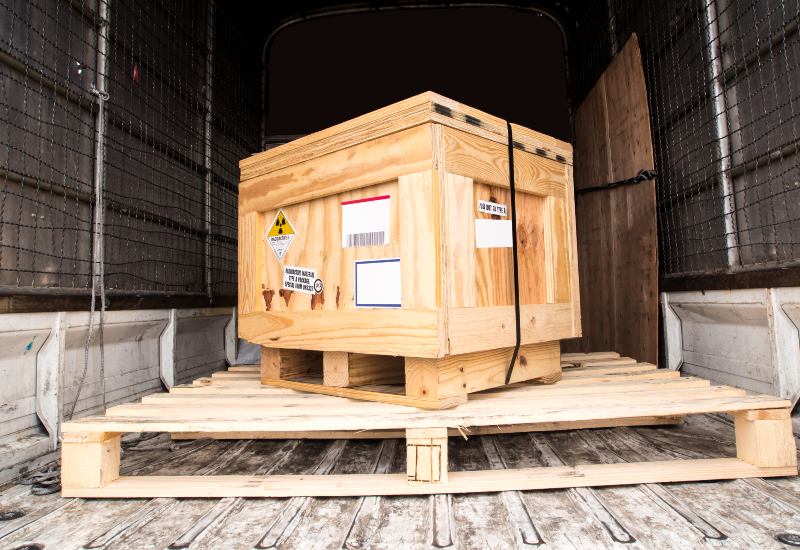
Identify Common Shipping Challenges and How to Resolve Them
Shipping valuable equipment, oversized freight, and specialized cargo comes with unique challenges. Even small mistakes during packing, handling, or transportation can lead to costly delays or damaged shipments. Businesses throughout Georgia and surrounding areas can reduce these risks by understanding the most common shipping issues and problems and taking proactive steps before a shipment leaves the facility. This guide explains why shipping problems occur, the most common obstacles businesses face, and practical solutions to help keep shipments on schedule.
What Are Shipping Challenges?
Shipping challenges are obstacles that interfere with the safe, efficient, or timely movement of freight. These issues may occur before a shipment leaves the warehouse, during transportation, or after it reaches its destination.
For businesses shipping heavy machinery, fragile equipment, electronics, or export cargo, even minor problems can result in unexpected costs, damaged products, or missed deadlines. Careful planning and proper packaging help reduce these risks while improving overall shipping efficiency.
Why Do Shipping Problems Occur?
Many shipping problems develop because of factors that can be prevented with proper preparation. Others are caused by circumstances outside a shipper’s control, such as severe weather or transportation delays.
Some of the most common causes include improper packaging, inaccurate documentation, poor handling practices, customs requirements, and unexpected logistical disruptions. Working with experienced shipping professionals helps businesses identify potential concerns before they become costly issues.
Common Shipping Challenges & How to Overcome Them
Every shipment presents different risks depending on its size, destination, and transportation method. Understanding these common shipping issues can help businesses choose the right shipping strategy from the start.
- Inadequate Packaging: Freight that is not properly protected is more vulnerable to impact, vibration, and shifting during transportation. Using custom crating and protective packaging helps minimize the risk of damage.
- Improper Load Securement: Equipment that is not adequately secured can move during transit, increasing the likelihood of damage. Proper blocking, bracing, and fastening techniques help keep shipments stable throughout the journey.
- Shipping Documentation Errors: Incorrect paperwork can delay deliveries, especially for international shipments. Reviewing shipping documents before dispatch helps prevent unnecessary interruptions.
- Customs & Export Compliance Issues: International shipments must meet specific regulations and documentation requirements. Using export-ready packaging and compliant crating reduces the risk of customs delays.
- Transit Delays: Traffic congestion, weather conditions, labor shortages, and carrier scheduling can all affect delivery timelines. Building flexibility into shipping schedules helps minimize disruptions.
- Damage During Handling: Freight often changes hands several times before reaching its destination. Durable packaging and custom-built crates provide added protection during loading and unloading.
- Unexpected Costs: Last-minute changes, damaged freight, storage fees, and shipping delays can increase transportation expenses. Careful planning and accurate shipment information help reduce unexpected charges.
- Communication Gaps: Miscommunication between shippers, carriers, and receiving facilities can create scheduling problems. Maintaining clear communication throughout the shipment helps everyone stay informed.
Shipping Problems & Solutions
While every shipment is different, many shipping problems and solutions follow the same basic principles. Identifying potential risks early gives businesses the opportunity to address them before they affect delivery schedules. The following best practices help improve shipment reliability and reduce avoidable delays:
- Choose the Right Packaging: Select packaging that matches the weight, size, and fragility of the shipment instead of relying on standard solutions.
- Invest in Custom Crating When Needed: Oversized, valuable, or irregularly shaped equipment often benefits from custom-built crates designed specifically for the shipment.
- Verify Documentation: Double-check bills of lading, export paperwork, customs forms, and shipping labels before transportation begins.
- Inspect Freight Before Shipping: Conduct a thorough inspection and document the condition of equipment before it is loaded.
- Work With Experienced Shipping Professionals: Companies with experience handling specialized freight understand regulatory requirements, proper packaging techniques, and transportation planning.
- Plan Ahead: Scheduling shipments early allows additional time for custom crating, documentation, inspections, and transportation coordination.
Reliable Shipping Solutions for Specialized Freight
Every shipment deserves a transportation plan that matches its specific requirements. Businesses shipping machinery, electronics, motorcycles, industrial equipment, or export freight often benefit from specialized shipping solutions that prioritize protection and compliance. Before selecting a shipping provider, consider these important factors:
- Experience handling oversized, fragile, and high-value freight
- Custom crating and protective packaging capabilities
- Export-compliant packaging and documentation support
- Clear communication throughout the shipping process
- Reliable scheduling and project coordination
- Professional loading and shipment preparation
Protect Your Next Shipment With the Right Preparation
Preventing shipping challenges starts long before freight is loaded onto a truck or into a shipping container. Proper planning, secure packaging, accurate documentation, and experienced handling all play an important role in protecting valuable shipments.
If your business needs custom crating, export-ready packaging, or professional shipment preparation in Georgia and surrounding areas, Atlanta International Packaging and Crate provides specialized solutions designed to help protect oversized, fragile, and high-value freight.
Frequently Asked Questions
Many businesses have questions about preventing shipping delays and protecting valuable freight. Here are answers to some of the questions we hear most often.
What Are the Most Common Shipping Issues?
Some of the most common shipping issues include damaged freight, inadequate packaging, documentation errors, customs delays, and transportation disruptions. Proper planning helps reduce many of these risks.
How Can Businesses Reduce Shipping Problems?
Businesses can reduce shipping problems by using appropriate packaging, verifying shipping documents, properly securing freight, and working with experienced shipping professionals.
Why Is Custom Crating Important for Certain Shipments?
Custom crating provides additional protection for oversized, fragile, and high-value equipment. It helps reduce movement during transportation while protecting freight from damage.
How Do Shipping Solutions Improve Freight Protection?
Professional shipping solutions combine proper packaging, secure load preparation, regulatory compliance, and careful handling to reduce the risk of delays and damaged shipments throughout the transportation process.