
-
Benefits of Custom Crating
Understanding the Advantages of Custom Crating
Shipping oversized, fragile, or high-value equipment requires more than standard packaging. Choosing the right custom crating solution helps protect shipments from damage, reduces handling risks, and supports safe transportation from origin to destination. For businesses throughout Georgia and surrounding areas, custom-built crates provide the protection needed for specialized freight. This guide explains what custom crating is, the different types of custom crates available, and the key benefits of investing in professional crating solutions.
What Is Custom Crating?
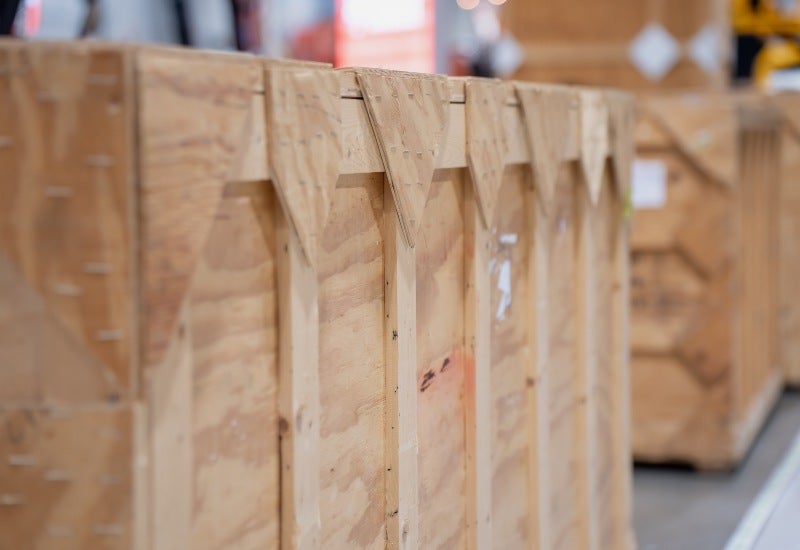
Custom crating is the process of designing and building wooden crates specifically for the size, weight, shape, and shipping requirements of a particular item. Unlike standard packaging, custom crates are built to provide the right level of protection for each shipment.
Many custom crating services also include protective packaging, blocking and bracing, heat-treated lumber for export, vacuum packaging, and on-site crating for equipment that cannot be easily transported before packing.
Types of Custom Crating
Different shipments require different levels of protection. Selecting the appropriate crate depends on the cargo, transportation method, and destination.
- Open Crates: Open-frame crates provide structural support while reducing overall weight. They are commonly used for durable machinery and equipment that does not require complete enclosure.
- Fully Enclosed Crates: Fully enclosed wooden crates offer maximum protection from impact, dust, moisture, and handling throughout transportation. They are often used for fragile or high-value shipments.
- Export Crates: Export crates are built using heat-treated lumber that complies with international shipping regulations. These crates help businesses meet export requirements while reducing the risk of customs delays.
- Vacuum-Packed Crates: Some shipments require additional protection from humidity and corrosion. Vacuum packaging combined with custom crating helps preserve sensitive equipment during long-term storage or overseas transportation.
- On-Site Custom Crating: Large machinery and oversized equipment are not always practical to move before packaging. On-site custom crating services allow experienced professionals to build and secure crates directly at the customer’s location.
Key Benefits of Custom Crating
Professional custom crating solutions provide more than basic shipping protection. They help businesses reduce risk, improve efficiency, and prepare shipments for domestic and international transportation.
- Superior Protection: Custom crates are designed specifically for the shipment they protect. This reduces movement during transit and helps minimize damage caused by vibration, shifting, or impact.
- Supports Oversized & Irregular Freight: Equipment with unusual dimensions often cannot be secured safely using standard packaging. Custom-built crates accommodate unique shapes while providing proper structural support.
- Improved Shipping Safety: Proper blocking, bracing, and secure fastening help stabilize freight throughout transportation. This reduces handling risks during loading, unloading, and transit.
- Export Compliance: International shipments often require heat-treated lumber that meets ISPM-15 regulations. Professional custom crating and packaging helps businesses prepare export-ready shipments that comply with shipping requirements.
- Reduced Risk of Damage: Repairing damaged equipment can be far more expensive than investing in proper packaging from the beginning. Custom crates help protect valuable assets throughout the shipping process.
- Cost Savings Over Time: Although custom crating requires an upfront investment, it can reduce replacement costs, insurance claims, shipping delays, and costly project interruptions.
- Flexible Packaging Options: Every shipment has different requirements. A professional custom crating company can recommend packaging solutions based on the cargo, destination, transportation method, and budget.
When Should Businesses Use Custom Crating?
Some shipments require a higher level of protection than traditional packaging can provide. Understanding when custom crating is appropriate helps businesses make informed shipping decisions. Custom crating is commonly recommended for:
- Industrial machinery and manufacturing equipment
- Electronics and sensitive components
- Motorcycles, ATVs, and specialty vehicles
- Trade show displays
- Export shipments
- Fragile or high-value equipment
- Oversized or irregularly shaped freight
Protect Valuable Shipments With Professional Custom Crating
Every shipment deserves packaging that matches its size, value, and transportation requirements. Investing in professionally designed custom crates helps reduce shipping risks while improving protection throughout every stage of transportation.
If your business needs reliable custom crating, export-ready packaging, or specialized shipping preparation in Georgia and surrounding areas, Atlanta International Packaging and Crate provides custom solutions designed to protect valuable freight.
Frequently Asked Questions
Many businesses have questions before investing in custom shipping protection. Here are answers to some of the questions we hear most often.
What Is Custom Crating?
Custom crating is the process of building a crate specifically for the dimensions, weight, and shipping requirements of a particular item. It provides greater protection than standard packaging.
When Should I Use Custom Crating?
Custom crating is recommended for oversized, fragile, high-value, or export shipments that require additional protection during transportation and handling.
Why Are Heat-Treated Crates Important?
Heat-treated wooden crates meet international ISPM-15 requirements for many export shipments. Using compliant materials helps prevent customs delays and rejected shipments.
How Do Custom Crating Services Help Protect Freight?
Professional custom crating services combine engineered crate construction, protective packaging, secure load preparation, and shipping expertise to reduce the risk of damage during transportation.
-
What Is On-Site Crating?
Shipping large, high-value equipment introduces a level of complexity that standard packaging just can’t absorb. Once machinery leaves its original position, every additional move adds more risks across handling, timing, and, of course, protection.
This is why on-site crating has become one of the most practical packaging solutions for many industrial operations. But what is on-site crating, and what makes it so practical? In the simplest terms, packing specialists complete the entire crating process at the point of origin rather than relocating equipment to a separate facility. All the tools, materials, and expertise arrive together to build a protective structure around the equipment in place.
Let’s break down how the on-site crating process works and where it fits within the shipping needs of today.

How On-Site Crating Works
On-site crating follows a methodically structured approach that centers around the equipment’s size, weight, and unique handling requirements. Each step is performed with a full understanding of how the item will be moved, loaded, and transported once enclosed.
A full evaluation of the equipment and the surrounding environment will be conducted first. The crating crew assesses the dimensions, identifies vulnerable areas, and accounts for load paths, access points, and weight distribution before finalizing a plan. The most appropriate materials are then selected and prepared based on those conditions, including any cushioning systems and protective layers needed to match the equipment’s specific sensitivities.
Once everything is staged, the crate is constructed directly around the equipment. These on-site crating services eliminate unnecessary relocation while allowing the enclosure to align with the exact demands of the shipment from the very start.
The On-Site Crating Process
The custom on-site crating process moves through a series of controlled steps that keep both the equipment and the timeline intact. Each phase builds on the previous one to maintain consistency from the initial evaluation to completion.
The crating team prepares the materials needed for the build, including structural lumber, internal bracing, and any needed protective layers. The base is constructed first to support the equipment’s weight, followed by framing that locks the structure into place. Interior systems are then installed to stabilize the load, using blocking to restrict horizontal movement and bracing to control vertical forces during transit.
Additional protection may include foam inserts, vapor barrier materials, and delicate measurements to control moisture and safeguard sensitive components throughout the entire shipping process. The final structure is built to the cargo’s exact geometry, sealed, and prepared for loading, with no need for additional handling between packaging and shipment.
When To Use On-Site Crating
Crating equipment on-site becomes the most sensible choice in situations where equipment can’t be moved safely or efficiently before it’s packaged for shipping. Large machinery, fragile systems, and irregularly shaped components all introduce complications that traditional handling can’t solve.
Industrial environments often involve tight spaces, fixed installations, or equipment that must remain in place until shipment. Certain projects also introduce regulatory requirements, especially when preparing equipment for international transport. In those cases, export-compliant materials and construction methods can be incorporated directly into the building, aligning the enclosure with shipping standards before the asset even leaves the original facility.
Industrial on-site crating applies to operations where precision, timing, and controlled handling define the shipping process. When the equipment itself dictates the conditions of transport, completing the crating process in place provides a safer, more calculated solution.
The Key Benefits Of On-Site Crating
Several advantages make on-site crating a preferred method across many industries that depend on reliable transport solutions for bulky, delicate, or high-value equipment. Each benefit ties back to the heightened control, efficiency, and protection on-site crating provides.
Reduced handling allows equipment to remain in position until fully secured within its enclosure, which limits exposure to unnecessary movement hazards before transit begins. That degree of control also minimizes the risk of damage that can occur when transferred between facilities. And since the process takes place at the point of origin instead of requiring additional coordination, on-site crating saves time by expediting the shipment.
Another clear advantage is the sheer precision. Building each structure in place allows the specialists to account for real-world conditions, then apply stabilization methods, internal cushioning, and environmental protection systems where they are needed most. The result is a reinforced crate that satisfies both the physical demands of the equipment and the conditions it will face in transit.
A Smarter Approach To Controlled Shipping
On-site crating reflects a shift toward greater control at the earliest stage of the shipping process. Instead of introducing risk through additional handling, equipment is secured where it stands, with every element of the enclosure built around its specific requirements.
Atlanta International Packing & Crate brings that level of precision directly to the source. With capabilities that include on-site crating, custom-built enclosures, vacuum packaging, and export-ready materials, each project reflects a clear understanding of how industrial equipment moves from one environment to the next. The team evaluates each situation carefully and executes a solution that keeps both protection and efficiency aligned.
Reach out to our team today to discuss your upcoming shipment needs and request a free estimate.
-
What Is ISPM 15?
What Is ISPM 15 and Why It Matters for Shipping
Moving industrial equipment across international borders introduces a different level of responsibility. Materials that seem ordinary in one location can introduce serious risks once they enter another country, particularly when untreated wood becomes part of the equation.
That’s where ISPM 15 comes in to solve that equation. At its core, this standard defines how wood packaging must be treated and prepared before it moves through international supply chains. ISPM 15 wood packaging follows strict guidelines that address contamination risks while keeping shipments compliant with global standards. In this article, we’ll break down how ISPM 15 works, where it applies, and why it remains a critical factor in export packaging.
Who Created ISPM 15?
ISPM 15 was developed through the International Plant Protection Convention (IPPC), an organization that focuses on protecting global agricultural systems from the spread of pests and plant diseases.
The standard is a coordinated effort between countries to regulate how wood packaging material enters and exits international supply chains. Instead of each nation enforcing its own isolated rules, ISPM 15 established a unified approach.
That consistency allows shipping operations to move more efficiently across borders, while still addressing the environmental risks tied to untreated wood. The result is a globally recognized framework that balances logistics with environmental responsibility.
When Is ISPM 15 Applicable?
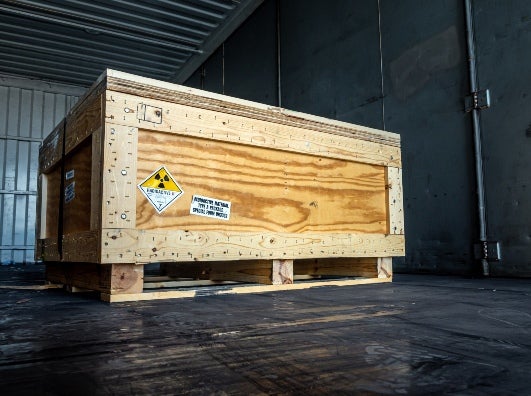
ISPM 15 heat treatment applies specifically to solid wood packaging materials used in international shipping. This includes crates, pallets, skids, and other structural components built to carry industrial equipment across the border.
Domestic shipments typically fall outside of these requirements, but once equipment enters international trade routes, compliance becomes part of the process. ISPM 15 regulations define when treatment and certification are required, particularly for shipments involving raw wood materials that haven’t been manufactured or processed in a way that removes the risk of pests. This distinction is what separates standard packaging from export-ready crating within global logistics operations.
Why ISPM 15 Marking Matters
Treatment alone doesn’t complete the process. Each compliant piece of wood packaging must carry a visible certification mark that confirms it meets ISPM 15 standards.
The ISPM 15 marking is an internationally recognized IPPC-HT stamp that identifies the country of origin, the treatment provider, and the method used to prepare the wood. This marking allows customs officials and regulators at every checkpoint to visually identify the marking and verify compliance.
Without it, even properly treated packaging can be delayed or rejected. The presence of the mark allows shipments to move forward without added inspection or uncertainty.
Global Applicability Of ISPM 15
ISPM 15 is a global standard, recognized at ports, carriers, and regulatory agencies in countries that participate in the International Plant Protection Convention. This broad adoption allows businesses to move equipment internationally without navigating a patchwork of conflicting requirements.
The standard applies consistently across major trade regions, covering shipments that move between North America, Europe, Asia, and beyond. Since these rules follow the packaging material rather than the product itself, compliance depends on how crates and pallets are built and treated before they’re shipped.
Why ISPM 15 Is Essential For Export Packaging
Export packaging must account for more than structural protection. It must also meet regulatory expectations that govern how materials move across national boundaries.
ISPM 15 ties directly into how industrial crates are built and prepared for international transport. Heat-treated lumber, certified construction methods, and proper documentation all work together to create packaging that meets inspection requirements before it ever leaves the facility.
Crating that meets ISPM 15 standards reduces the likelihood of delays, rejected shipments, or unexpected rework at ports of entry, and allows equipment to move through international checkpoints with less potential for unexpected disruptions.
Packaging That Meets Global Standards
ISPM 15 represents a clear standard within an increasingly complex shipping environment. It aligns packaging practices across the world, allowing industrial equipment to move globally without introducing environmental risks or compliance delays.
Here at Atlanta International Packing & Crate, we are proficient at integrating this degree of compliance directly into our custom crating process. From heat-treated lumber to export-ready construction, each solution meets the requirements tied to international shipment standards. Our team evaluates each project carefully and prepares packaging that satisfies both structural and regulatory expectations from the start.
Discover your organization’s full-service, export-ready crating solution. Contact us today to discuss your needs and to request a free estimate.